Marson: A Modern Retro Typeface for Timeless Branding
When you are building a visual identity, the typeface you choose does more than just spell out words; it sets the mood. It is the handshake before the conversation begins. For designers and business owners looking to bridge the gap between vintage nostalgia and contemporary crispness, Marson presents a compelling option. It isn't just another retro font; it is a carefully crafted tool that blends the warmth of the past with the clean functionality required by modern design standards.
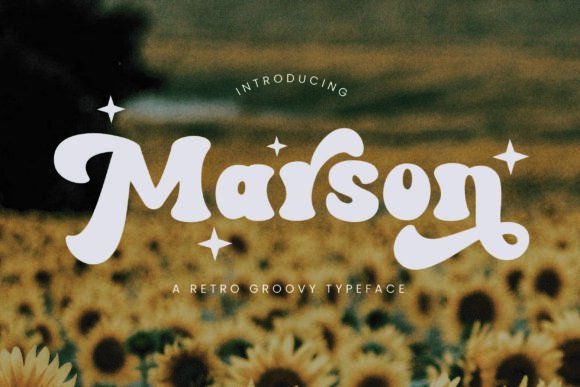
At first glance, Marson captures that mid-century aesthetic we often see in classic cinema posters or vintage signage. However, looking closer reveals a modern construction that prevents it from looking dated. This is a premium font designed for versatility. It balances personality with professionalism, making it a strong contender for projects that need to stand out without screaming for attention. Whether you are working on logo design for a new startup or laying out a high-end magazine spread, understanding how to leverage Marson’s unique features can elevate your work significantly.
The Visual Personality: Blending Bohemian and Professional
Typography is about voice, and Marson speaks with a confident, bohemian charm. It falls into the category of a display font, meaning it shines brightest at larger sizes where its details can be appreciated. The letterforms feature a distinct rhythm—slightly condensed with elegant curves that nod to art deco influences. It avoids the rigid grid system of standard sans-serifs, opting instead for a more organic flow that feels approachable and artistic.
One of the standout features of Marson is its extensive library of alternates and ligatures. In the world of modern typography, these features are invaluable. An alternate character allows you to change the style of a specific letter (like a swash on a capital 'R' or a tail on a 'Q') to better fit the flow of your design. Ligatures merge two letters into a single, more aesthetically pleasing unit. For a creative font like this, these aren't just decorative extras; they are functional tools that help you solve spacing issues and create a truly custom look for your brand identity.
Furthermore, the font includes multilingual support. This is a critical, often overlooked aspect of professional typography. If your brand expands globally or if you are designing for a diverse audience, Marson ensures that your message remains consistent and readable across different languages. This commitment to usability makes it more than just a stylistic choice—it makes it a practical design asset.
Strategic Applications: Where Marson Fits Best
Choosing the right typeface is often about context. Marson is a serif font (or a stylized display depending on the specific weight), which generally conveys tradition, authority, and elegance. However, because of its retro-modern twist, it also communicates creativity and openness. Here is how you can apply it across different sectors:
Branding and Business
For entrepreneurs and small business owners, logo design is the most visible application. Marson works exceptionally well for brands in the lifestyle, fashion, hospitality, or artisanal food sectors. Imagine a coffee roaster’s logo or a boutique clothing label; the font’s character suggests quality and craftsmanship. It helps build a brand identity that feels established and trustworthy yet distinct from the sterile, geometric logos that dominate the tech space.
Publishing and Editorial Design
In editorial design, hierarchy is king. You need headlines that grab the reader and body text that is easy to scan. While Marson is primarily a display typeface, it is robust enough for pull quotes and sub-headers in magazines, blogs, and brochures. Its high readability at medium sizes makes it suitable for book covers or feature article headers, providing that "magazine quality" feel to digital and print layouts alike.
Digital and Social Media
The digital landscape is noisy. To stop the scroll on Instagram or Pinterest, your social media graphics need immediate impact. Marson’s distinct style ensures that text overlays on images remain legible and stylish. It pairs beautifully with clean sans serif font families, creating a dynamic contrast that guides the viewer's eye exactly where you want it. For web design, using Marson for hero text can set a sophisticated tone immediately upon page load.
Packaging and Physical Products
Packaging design relies heavily on tactile appeal. The retro-bohemian vibe of Marson translates beautifully to physical products. It looks fantastic embossed on paper, printed on kraft boxes, or used on labels for cosmetics and spirits. The font’s personality adds a layer of perceived value to the product itself, suggesting that care went into the creation of the item inside.
Practical Guide to Using Marson
Integrating a new creative font into your workflow requires a bit of strategy. You cannot simply swap it in and expect magic. Here are some practical tips for getting the most out of Marson:
- Master the Font Pairing: Marson has a strong personality. If you pair it with another expressive font (like a script font or a heavy handwritten font), the result can be chaotic. Instead, pair it with a neutral, geometric sans serif font for body text. This allows Marson to be the star of the show for headers while the supporting font handles the heavy lifting of readability for paragraphs.
- Test the Alternates: Don't just type and go. Open the Glyphs panel in your design software (like Adobe Illustrator or Photoshop) and explore the alternate characters. Swapping a standard 'a' for a stylistic one can completely change the vibe of a logo. This is where you move from using a font to designing with a typeface.
- Evaluate Readability at Scale: Always view your design at the intended size. Marson is a display font, so it looks incredible on a billboard or a website header. However, if you try to use it for 10pt body copy in a dense document, legibility may suffer. Use it for impact, not for dense text blocks.
- Check the Licensing: Marson is a commercial font. Ensure you have the correct license for your usage. If you are a freelance designer creating a logo for a client, you typically need to ensure the client has the appropriate usage rights, or you need to transfer the license to them upon delivery. Always read the EULA (End User License Agreement) to avoid legal headaches down the road.
Final Thoughts on Design Assets
Building a library of reliable design assets is an investment in your efficiency and creativity. A font like Marson isn't just a file you download; it is a tool that expands your capability to create diverse visual identities. It bridges the gap between the timeless appeal of vintage design and the clean requirements of modern typography.
By utilizing its multilingual support, experimenting with its ligatures, and applying it to the right contexts—from web design to packaging design—you can create work that resonates with your audience. Whether you are a seasoned graphic designer or a business owner handling your own marketing, Marson offers the flexibility and style needed to make your projects feel polished, professional, and distinctively memorable.